
Protect Your Peace: Boundaries a Must
Published June 22nd 2026
GRID Mindful Monday: Protect Your Peace-Boundaries a Must
In a world that constantly demands our attention, protecting your peace has become one of the most important forms of self-care. Yet many people struggle with the idea of setting emotional boundaries because they have been conditioned to believe that being constantly available, accommodating, and productive is a sign of strength.
At GRID Holistic Living, we support safe guarding one's peace and knows protecting your peace is not selfish; it is necessary. Many individuals have learned to tolerate emotional chaos in the name of productivity, obligation, family expectations, workplace culture, or social acceptance. Over time, this constant exposure to stress can leave us emotionally exhausted, mentally overwhelmed, and physically depleted.
At GRID Holistic Living, we believe that emotional wellness is just as important as Spiritual and Physical wellness. Just as you would pray a warrior prayer or hedge of protection to protect your spirit and physical man, you must also protect your mind and emotions from unnecessary stressors that drain your energy and diminish your quality of life.
The Hidden Cost of Emotional Overload
Modern life exposes us to a constant stream of information, opinions, crises, notifications, and expectations. While staying informed and connected can be beneficial, excessive exposure can lead to emotional fatigue. Research suggests that chronic stress can negatively impact mood, sleep quality, immune function, concentration, and overall health. When stress becomes a constant companion, the body remains in a prolonged state of alertness, making it difficult to recover and restore balance resulting in the following:
- Increased anxiety
- Emotional exhaustion
- Difficulty concentrating
- Reduced patience
- Poor sleep quality
- Lower resilience to life's challenges
Protecting your peace allows your nervous system the opportunity to rest, recover, and function as it was designed to.
What Healthy Emotional Boundaries Look Like?
Healthy emotional boundaries are not walls designed to keep people out. Instead, they are filters that help you decide what deserves access to your time, energy, and attention. GRID offers 6 examples of healthy emotional boundaries, for the other three, be sure to join GRID's Holistic Living membership. The link is provided below for your convenience: GRID Holistic Living | Natural Homeopathic & Holistic Wellness | NYC
1-Limiting Overstimulation- Constant exposure to noise, media, notifications, and information can overwhelm the brain. Creating periods of quiet throughout the day allows your mind to recharge.
2-Taking Breaks from Social Media-Social media can be a valuable tool, but endless scrolling often exposes us to comparison, conflict, negativity, and information overload. Taking intentional breaks can improve mental clarity and emotional well-being.
3-Saying No to Emotionally Draining Situations-Not every invitation requires acceptance. Not every conflict requires your participation. Learning to say no is a powerful act of self-respect.
Not Everything or Everyone Deserves Your Attention
One of the most liberating realizations is understanding that not every problem is yours to solve. Not every argument requires your response. Not every criticism requires your attention. Not every crisis requires your involvement.
Protecting your peace means recognizing that your energy is a valuable resource. Like your finances, time, and health, it should be invested wisely. The people, environments, habits, and information you allow into your life influence your emotional well-being more than you may realize.
A GRID Perspective: Whole Health Includes Emotional Health
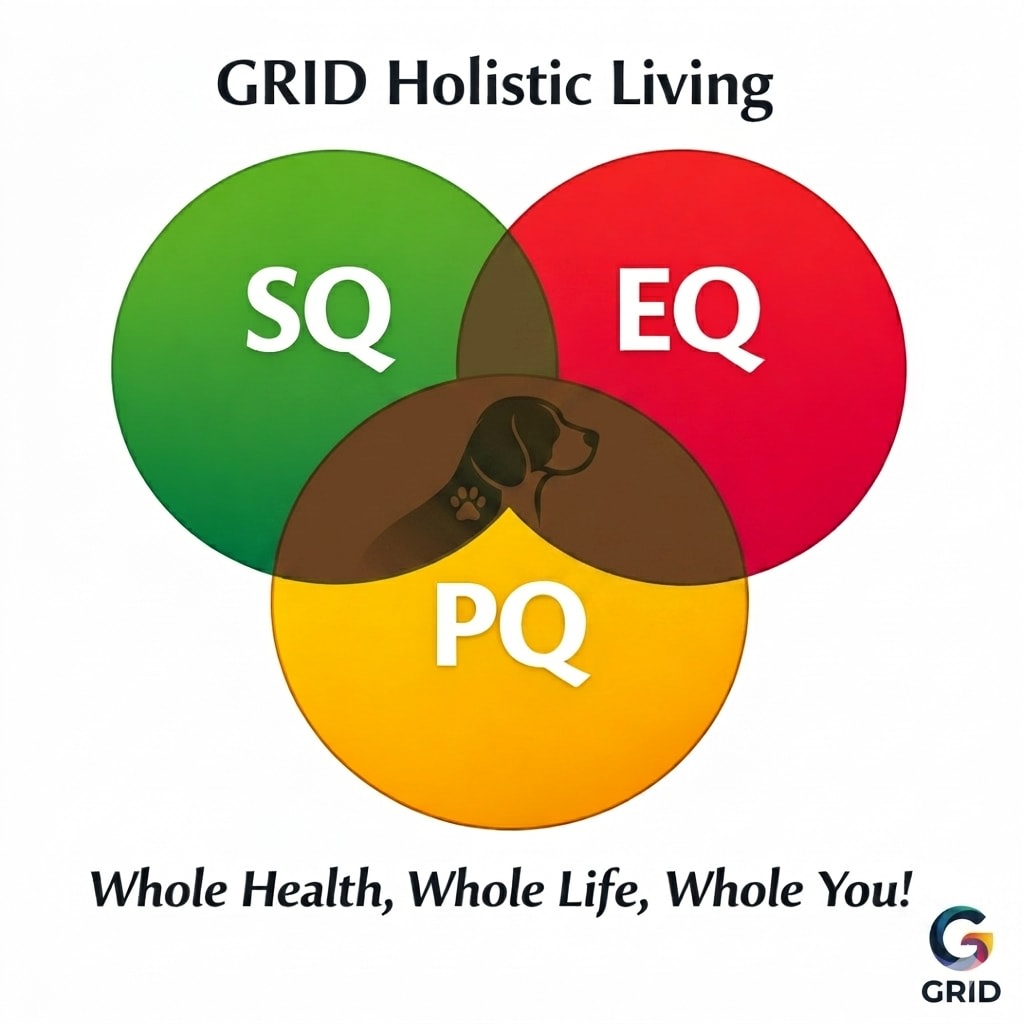
At GRID Holistic Living, we often talk about Whole Health, Whole Life, Whole You. True wellness extends beyond nutrition and exercise. It includes emotional wellness, spiritual wellness, relational wellness, and mental wellness. When we fail to protect our peace, we often find ourselves reacting rather than responding, surviving rather than thriving.
This week self-reflect and ask yourself the following questions:
- What situations consistently drain my energy?
- What habits disrupt my peace?
- What boundaries do I need to establish?
- Where can I create more space for restoration?
Remember, protecting your peace is not avoidance. It is stewardship. It is the intentional practice of managing your emotional environment so you can show up as your healthiest, strongest, and most authentic self.
Your peace is valuable. Protect it. Your health depends on it.
GRID Holistic Living
Whole Health, Whole Life, Whole You!
More Than a Fad, It's a Way of Life.
References
American Psychological Association. (2024). Stress effects on the body. https://www.apa.org
National Institute of Mental Health. (2024). Caring for your mental health. https://www.nimh.nih.gov
World Health Organization. (2022). Mental health: Strengthening our response. https://www.who.int/news-room/fact-sheets/detail/mental-health-strengthening-our-response
Centers for Disease Control and Prevention. (2024). About mental health. https://www.cdc.gov/mentalhealth
Cloud, H., & Townsend, J. (2017). Boundaries: When to say yes, how to say no to take control of your life (Updated and expanded ed.). Zondervan.
Connect With GRID Living
Share your questions or wellness goals, and we will respond with thoughtful, faith-grounded guidance, usually within two business days, to help you take your next holistic step. You can also provide feedback if you participated in one of GRID's virtual or in-person Food Preservation tours or provide feedback if you are consumer of any of GRID's products.