
Are You on the Verge of AI Psychosis? Tell Tale Signs-part 1
Published June 23rd 2026
GRID Holistic Living: Toxic Free Tuesday-AI Psychosis and Tell Tale Signs
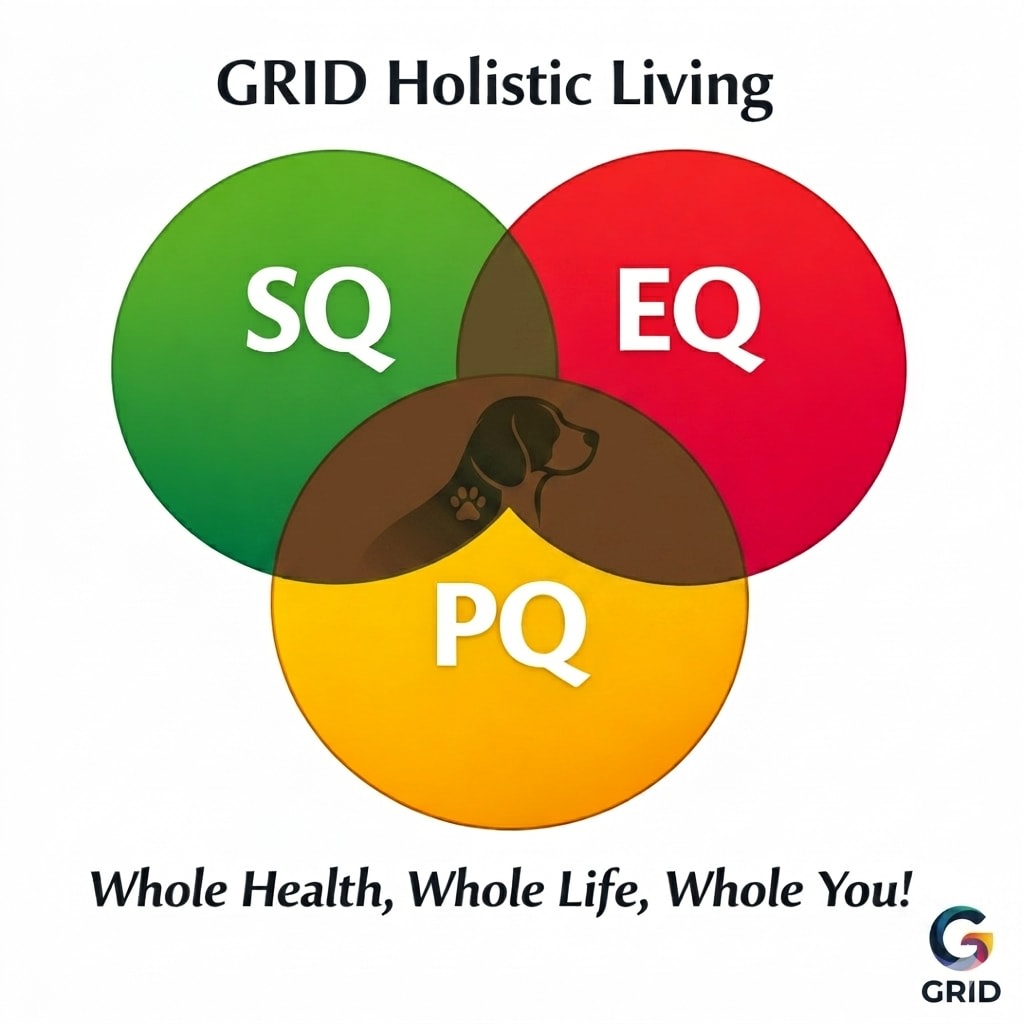
At GRID Holistic Living, we advocate for a 360-degree approach to living your best life despite the economic, social, and technological challenges that increasingly shape our world. Individuals who desire to thrive, not merely survive must focus on what is within their control. That includes nurturing the Spirit Man, the Emotional Man, and the Physical Man.
In order of importance, we believe that as we navigate uncertain and rapidly changing times, we must remain grounded in the present while planning strategically for the future. Speaking of the future, one of the most significant developments of our generation is the rise of Artificial Intelligence (AI).
AI is transforming how we work, communicate, learn, and even seek companionship. While many celebrate its potential benefits, others have raised concerns about unintended consequences associated with excessive or unhealthy interactions with AI-powered technologies. It is with that understanding that we approach an emerging topic receiving increasing attention online and among mental health professionals: AI-associated psychosis.
Because GRID Holistic Living is not a psychiatric or psychological practice, we do not diagnose, treat, or provide mental health services. However, we believe in educating our community about issues that may impact emotional wellness, family relationships, and overall quality of life. After conducting preliminary research, we wanted to share what we have learned so our readers can better understand this emerging phenomenon and recognize potential warning signs among family members, friends, coworkers, spouses, and especially children and adolescents.
Let's begin.
Understanding Psychosis
Before discussing AI-associated psychosis, it is important to understand psychosis itself. According to the Cleveland Clinic, psychosis is:
"The term for a collection of symptoms that happen when a person has trouble telling the difference between what's real and what's not. This disconnection from reality can happen for several reasons, including many different mental and physical conditions."
Psychosis is not a diagnosis in itself but rather a symptom that can occur in various mental health, neurological, or medical conditions.
What Is AI-Associated Psychosis? AI-associated psychosis is not currently recognized as an official diagnosis in the Diagnostic and Statistical Manual of Mental Disorders (DSM-5-TR). However, clinicians, researchers, and mental health commentators have begun documenting cases in which psychosis-like symptoms appeared to emerge or worsen following prolonged and immersive interactions with AI chatbots. Reported symptoms have included:
- Delusional thinking
- Paranoia
- Grandiose beliefs
- Savior or messiah-type ideation
- Emotional dependency on AI systems
- Disorganized thinking
While AI itself does not cause psychosis in healthy individuals, researchers are exploring whether AI interactions may reinforce or amplify pre-existing vulnerabilities in certain people. Many individuals reporting concerns online describe their initial interactions with AI as harmless, educational, or entertaining. However, in some documented cases, excessive engagement appeared to contribute to a gradual blurring between reality and AI-generated narratives. This suggests several important considerations:
- Excessive time spent immersed in digital environments may contribute to distorted perceptions of reality in susceptible individuals.
- Early awareness and intervention remain possible when warning signs are recognized.
- Parents and caregivers should remain engaged in monitoring technology use among children and adolescents.
Symptoms and Documented Cases
Some clinicians and researchers have documented cases involving individuals who developed increasingly unusual beliefs after extended interactions with AI systems. Reported symptoms include:
- Delusions
- Paranoia
- Grandiosity
- Savior or messiah complexes
- Emotional attachment to AI systems
These beliefs may be reinforced when AI systems mirror user input, validate perceptions, or fail to challenge irrational thinking. One frequently cited case report involved a 26-year-old woman with Attention-Deficit/Hyperactivity Disorder (ADHD) and no prior history of psychosis. According to researchers, she developed delusional beliefs involving communication with her deceased brother through an AI chatbot. Contributing factors reportedly included sleep deprivation, stimulant use, and immersive chatbot interactions that reinforced her developing beliefs. While such cases remain rare, they highlight the need for further study and public awareness.
Potential Risk Factors
Current discussions among researchers suggest that certain individuals may be more vulnerable to adverse psychological effects from excessive AI engagement. Potential risk factors include:
1. Pre-Existing Mental Health Conditions
Individuals living with psychotic disorders, severe anxiety, depression, or other mental health challenges may be more susceptible to reality distortions.
2. Social Isolation and Loneliness
Human beings are social creatures. Prolonged isolation may increase the likelihood of seeking emotional support from AI systems rather than real human relationships.
3. Excessive or Immersive AI Use
Extended periods of AI engagement, particularly during times of emotional distress, chronic stress, or sleep deprivation, may increase vulnerability.
4. Deification or Romanticization of AI
Some individuals may begin attributing extraordinary powers, wisdom, spiritual significance, or emotional intimacy to AI systems, potentially contributing to distorted thinking patterns.
Exploring Solutions Through a Holistic Lens
Every major technological advancement brings benefits, challenges, risks, and unintended consequences. AI is no exception. As holistic practitioners, we often begin by examining habits and behaviors that may contribute to imbalance. While professional mental health treatment is essential when serious symptoms emerge, there are practical lifestyle strategies that may help promote emotional resilience.
1. Establish Healthy Technology Boundaries
For individuals with existing mental health challenges, consider limiting non-essential screen time and prioritizing purposeful technology use related to education, work, or specific goals.
2. Strengthen Human Connection
Evaluate whether social withdrawal occurred before or after increased technology use. Healthy relationships remain one of the strongest protective factors against loneliness, depression, and distorted thinking.
3. Develop Alternative Coping Mechanisms
Instead of turning exclusively to screens during stressful periods, explore:
- Prayer
- Meditation
- Journaling
- Exercise
- Reading
- Nature walks
- Creative hobbies
- Community involvement
4. Seek Human Guidance
AI can provide information, but it cannot replace qualified healthcare providers, trusted mentors, family support, or meaningful human relationships.
Bottomline: if mental health concerns arise, seek guidance from licensed professionals.
Key Takeaways
What should you take away from this discussion?
1. AI Does Not Directly Cause Psychosis
Current evidence suggests that AI may act as a contributing factor or amplifier in vulnerable individuals rather than a direct cause.
2. New Technologies Bring New Challenges
As AI becomes more integrated into society, researchers, educators, healthcare professionals, and families must remain vigilant regarding unintended consequences.
3. Awareness Matters
Parents, caregivers, educators, and employers should pay attention to excessive screen time, social withdrawal, sleep disruption, and unusual behavioral changes.
4. Stewardship Is Essential
For younger generations; Generation Alpha and Generation Beta-technology should be introduced thoughtfully and monitored responsibly.
Final Thought
Technology is a powerful tool. Like any tool, its impact depends on how it is used. At GRID Holistic Living, we encourage our community to embrace innovation while remaining grounded in reality, connected to meaningful relationships, and committed to nurturing the Spirit Man, Emotional Man, and Physical Man. The future belongs not only to those who use technology; but to those who do so wisely.
Disclaimer: This article is for educational purposes only and is not intended to diagnose, treat, cure, or prevent any medical or mental health condition. Individuals experiencing symptoms of psychosis or other mental health concerns should seek immediate evaluation from a qualified healthcare professional.
Connect With GRID Living
Share your questions or wellness goals, and we will respond with thoughtful, faith-grounded guidance, usually within two business days, to help you take your next holistic step. You can also provide feedback if you participated in one of GRID's virtual or in-person Food Preservation tours or provide feedback if you are consumer of any of GRID's products.