
How To Evaluate Homeopathic Supplements For Safe Use
Published February 22nd, 2026
In recent years, the allure of homeopathic and natural health supplements has blossomed, inviting many on a journey toward gentler, nature-inspired wellness. Yet, amidst this growing interest lies a sea of misconceptions - where "natural" is often mistaken for automatically safe, and homeopathy is sometimes misunderstood as a one-size-fits-all remedy. Navigating this landscape requires more than curiosity; it calls for informed awareness to discern the true potential and limitations of these products. Evaluating safety, effectiveness, and quality in a market brimming with diverse philosophies and preparations can feel overwhelming, but gaining clarity here empowers you to make choices that honor your body and spirit. Embracing this thoughtful approach opens the door to integrating supplements as meaningful allies in your holistic health journey, ensuring they serve your well-being with integrity and care.
What Are Homeopathic and Natural Supplements? Definitions and Distinctions
Clear definitions protect both health and wallet. The terms homeopathic supplements, natural health products, and herbal supplements often sit on the same shelf yet follow different philosophies and preparation methods.
Homeopathic Supplements: "Like Cures Like"
Homeopathy is a system of complementary and alternative medicine built on the idea that a substance that causes symptoms in large amounts is used in highly diluted form to address similar symptoms. Homeopathic supplements usually start with a plant, mineral, or animal-derived substance. That original substance is repeatedly diluted in water or alcohol and shaken in a process called succussion.
By the time a product reaches common potencies labeled 6C, 30C, or higher, almost none of the original molecules remain. Tablets are often made by adding this diluted solution to sugar pellets, then drying them. Liquids may be drops in an alcohol or glycerin base. Common homeopathic ingredients include arnica (from a flowering plant), nux vomica (from a tree seed), and various mineral salts prepared in these ultra-dilute forms.
Natural Health Products And Herbal Supplements
Natural health products and herbal supplements usually contain measurable amounts of active compounds from nature. Their focus is less on extreme dilution and more on delivering a consistent dose of plant or nutrient constituents.
Herbal supplements rely on whole plants or concentrated extracts. Typical forms include:
- Capsules or tablets with powdered leaves, roots, or standardized extracts
- Tinctures made by soaking herbs in alcohol or glycerin
- Teas and water-based infusions or decoctions
Common herbal ingredients include turmeric root, ginger, garlic, echinacea, milk thistle, and chamomile. Many products combine herbs with vitamins, minerals, probiotics, or fatty acids and fall under broader natural health products rather than strict homeopathy.
From a regulatory and scientific perspective, homeopathic products are usually treated as a category of complementary medicine with ultra-dilute preparations, while natural and herbal supplements are assessed more on their nutrient or plant compound content, dosing, and alignment with standards such as current FDA dietary supplement guidelines.
Evaluating Safety: What You Need to Know Before Buying
Before any discussion of effectiveness, safety must sit at the top of the list. Dietary supplements in the United States, including homeopathic and natural products, fall under the Food and Drug Administration's dietary supplement framework. That means manufacturers are responsible for making sure products are safe and properly labeled, but the FDA usually reviews issues after products reach the market, not before.
"Natural" on a label does not guarantee safety. Plants and minerals carry pharmacologic effects, which bring both benefits and risks. High doses, long-term use, or combining several formulas without guidance can stress the liver, kidneys, or cardiovascular system. This becomes especially serious when homeopathic supplements and kidney disease risks or other chronic conditions enter the picture, because weakened organs clear substances less efficiently.
Key safety concerns worth checking include:
- Medication Interactions: Herbs such as St. John's wort, ginkgo, and high-dose garlic affect blood thinners, antidepressants, and many heart medications. Even products marketed as gentle may alter how drugs are absorbed or broken down.
- Condition-Specific Risks: Some ingredients raise blood pressure, thin the blood, or influence blood sugar. People with heart disease, diabetes, clotting disorders, pregnancy, or upcoming surgery need extra caution.
- Contamination: Independent reviews have found supplements with heavy metals, pesticides, or traces of undeclared pharmaceuticals. These problems usually reflect poor sourcing and weak manufacturing controls.
- Ingredient Variability: Without tight standards, batches may vary in strength. One bottle may be mild, the next much stronger, even with the same label.
Authoritative sources such as the FDA, National Center for Complementary and Integrative Health (NCCIH), and National Institutes of Health Office of Dietary Supplements emphasize several safeguards when evaluating natural health products effectiveness and safety together.
Practical Markers Of A Trustworthy Product
- Good Manufacturing Practice (GMP) Statements: Look for clear reference to current Good Manufacturing Practices on the label or brand materials. This signals attention to cleanliness, documentation, and consistency.
- Third-Party Testing: Independent labs test for identity, potency, and contaminants. Seals from recognized testing organizations or a transparent explanation of lab testing provide stronger assurance than a brand's promise alone.
- Complete, Transparent Labeling: A solid label lists all active and inactive ingredients, plant parts used, extraction ratios or potencies, serving size, and clear directions. Vague terms like "proprietary blend" without amounts make it hard to judge dosing or interaction risk.
- Evidence-Informed Formulas: When possible, ingredients and doses should align with existing clinical or traditional evidence, not just marketing trends. This is especially important for homeopathic product safety and effectiveness claims, which should avoid promising cures for serious diseases.
- Responsible Safety Warnings: Look for cautions about pregnancy, breastfeeding, children, medical conditions, or medication use. Honest warnings suggest a company has considered real-world risks.
As these safety markers become familiar, it grows easier to filter products quickly and reserve deeper research for formulas that respect both the wisdom of nature and the boundaries of the body.
Assessing Effectiveness: Evidence, Ingredient Synergy, and Product Quality
Once safety hurdles look solid, the next question becomes simple: does the product do what it claims? With homeopathic and natural supplements, that answer depends on both the type of preparation and the quality of the design behind it.
For homeopathic remedies, the formal research base remains mixed and limited. Many trials show no difference from placebo, while some small studies report signal of benefit for specific conditions. The most honest stance is this: homeopathy holds more supportive data for mild, self-limited concerns than for serious disease, and evidence often comes from smaller or methodologically weaker studies. That does not erase lived experiences, but it does mean expectations should stay grounded and aligned with current science.
Natural and botanical supplements have a broader body of data, especially when they contain measurable doses of known plant or nutrient compounds. Effectiveness rests on several questions:
- Is There Plausible Mechanism? Ingredients should have a clear reason for inclusion, such as anti-inflammatory, antioxidant, or nervine effects described in clinical or pharmacologic research.
- Do Doses Match Research Ranges? An herb studied at 500 - 1,000 mg loses credibility if the product hides its amount in a vague blend.
- Is The Target Population Similar? Evidence from healthy young adults does not always translate to homeopathic supplements for older adults with multiple conditions.
How Ingredient Synergy Elevates Or Weakens A Formula
Single-ingredient products rely on one pathway. Multi-ingredient formulas aim for ingredient synergy in natural supplements: several compounds working together so the whole effect is stronger, more balanced, or better tolerated than isolated parts.
- Complementary Actions: One herb may calm inflammation while another supports circulation, giving broader coverage than either alone.
- Absorption Support: Certain components, such as specific spices or citrus elements, enhance bioavailability of partner ingredients.
- Side-Effect Balancing: A stimulating herb might be paired with a soothing one to smooth out jitteriness or digestive discomfort.
Well-designed synergy is not guesswork. It draws from traditional pairings, pharmacologic data, and emerging clinical findings on multi-herb combinations. Poorly designed blends, by contrast, throw many ingredients into a capsule without regard for dose, interaction, or overlapping effects. When evaluating a complex formula, evidence-informed reasoning should still be visible: fewer, purposeful ingredients at researched levels usually beat long, unfocused lists.
Signals Of Thoughtful Product Development
Two behind-the-scenes practices strengthen confidence that a supplement's promised benefits rest on more than marketing copy.
- Pilot Testing: Before wide release, some developers use small internal or practitioner-guided trials to observe real-world response, tolerability, and patterns of benefit. These pilots do not replace controlled clinical trials, but they refine dosing, ingredient ratios, and delivery form so the final product reflects lived data, not theory alone.
- Founder Vetting And Oversight: When founders bring training in healthcare, research literacy, or rigorous quality systems, they tend to question their own formulas harder. They review ingredient dossiers, scrutinize supplier data, and align claims with what the evidence actually supports. This stewardship often shapes how synergy is used, which products are piloted first, and which ideas never leave the drawing board.
Putting these pieces together, effectiveness looks less mysterious. A trustworthy supplement shows a clear line from research or long-standing traditional use, through intentional ingredient synergy, into tested, well-governed formulations. That same lens prepares the mind to recognize why some proprietary blends stand out from a crowded shelf of look-alike bottles.
Founder Vetting and Proprietary Formulations: What Sets GRID’s Products Apart
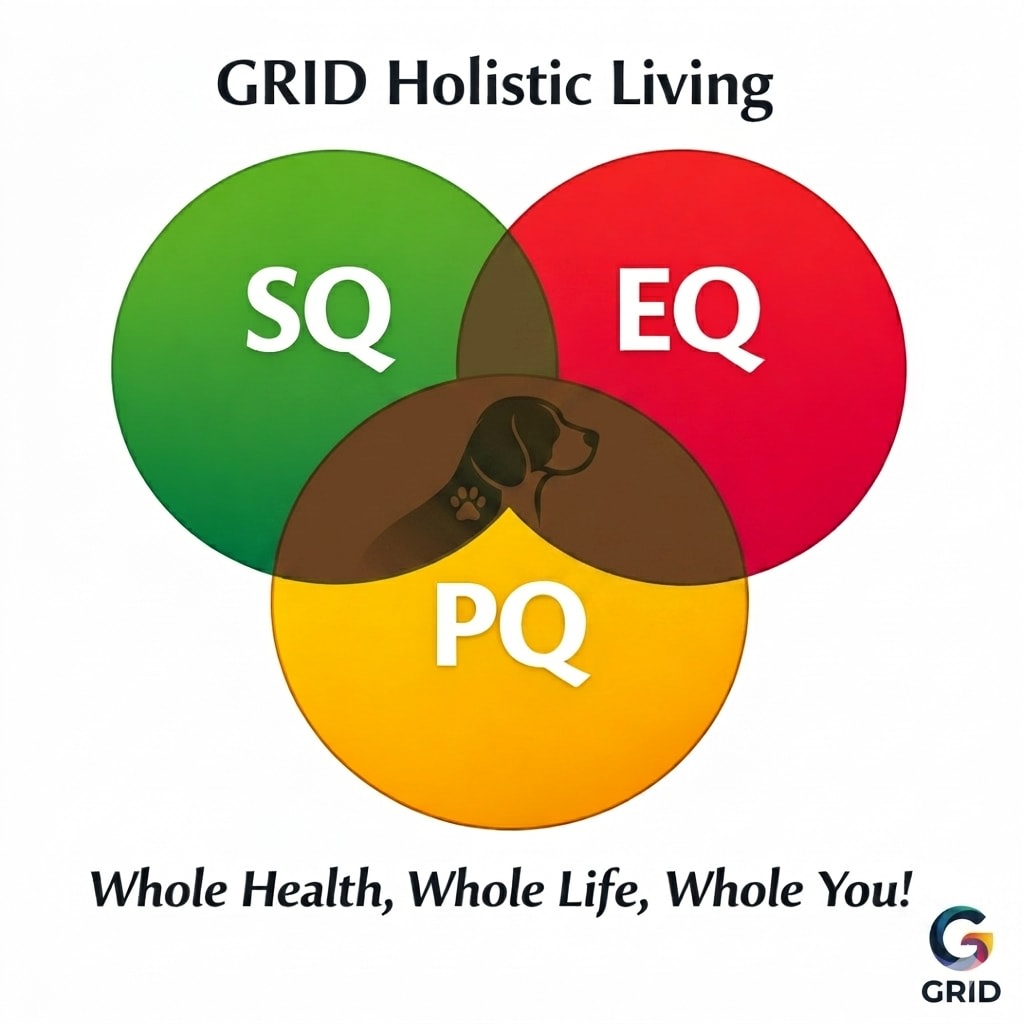
Behind every bottle sits a series of quiet decisions that shape safety, integrity, and impact. With GRID, those decisions flow directly from founder oversight rather than a distant product committee. That kind of stewardship matters when the goal is not just symptom relief, but alignment with whole-person wellness and faith-grounded values.
The founder's background in healthcare, leadership, and holistic practice anchors the vetting process. Ingredients do not enter a formula simply because they trend online. Instead, they pass through three filters:
- Ancestral Wisdom And Lived Tradition: Centuries of Caribbean plant use and family remedies guide which herbs, spices, and botanicals deserve attention. Traditional pairings and preparation methods inform which combinations tend to soothe inflammation, support immune balance, or ease respiratory strain.
- Research And Evidence Review: Once a plant or nutrient earns a place on the shortlist, published data and pharmacologic references shape its role. Doses are set with respect for evaluating botanical supplement safety, organ load, and realistic benefit, not stretch claims or aggressive stacking.
- Pilot Testing Before Release: Each GRID formula undergoes internal pilot use with structured observation. Response patterns, tolerance, and practical factors such as taste, timing, and digestion are tracked. Only after these small, real-world trials does a product move forward.
Proprietary status, in this context, does not mean hiding weak design behind a label. It reflects a specific blueprint: a limited number of botanicals, nutrients, or natural compounds chosen for Purposeful Ingredient Synergy. Anti-inflammatory elements pair with citrus or other carriers to support absorption. Antimicrobial or immune-leaning components are balanced with soothing allies that respect gut and nervous system comfort.
This synergy-first mindset keeps formulas focused rather than crowded. Each component is expected to earn its seat by contributing to spiritual, emotional, and physical steadiness, not just surface symptom changes. Safety remains central: traditional knowledge, research review, and pilot feedback work together to guard against the assumption that natural does not always mean safe.
GRID's development pathway offers a model for what thoughtful proprietary formulations look like: founder-led oversight, clear philosophy, disciplined ingredient selection, and real-world testing before scale. When those elements come together, a supplement stops being just another blend on the shelf and becomes a deliberate tool for whole-person support.
Understanding the distinctions between homeopathic and natural supplements, alongside a clear focus on safety and evidence-informed effectiveness, empowers you to make thoughtful choices that honor both tradition and science. By recognizing key markers of trustworthy products - such as transparent labeling, third-party testing, and careful formulation - you protect your health while embracing nature's gifts. This balanced approach encourages gradual, confident steps toward sustainable wellness that nurtures your spiritual, emotional, and physical well-being. GRID Holistic Living's virtual coaching and meticulously crafted products embody this holistic philosophy, integrating ancestral wisdom with rigorous research and real-world testing. As you deepen your knowledge, let this foundation guide you to select trusted options that support your unique health journey. Explore how personalized support and premium natural solutions can inspire lasting vitality and harmony in your life.
Connect With GRID Living
Share your questions or wellness goals, and we will respond with thoughtful, faith-grounded guidance, usually within two business days, to help you take your next holistic step. You can also provide feedback if you participated in one of GRID's virtual or in-person Food Preservation tours or provide feedback if you are consumer of any of GRID's products.